I have officially been in Madagascar for a month, which is hard to believe given the mere amount of work our research team has been able to accomplish in such a short period of time. Given I am half-way through my time here in Madagascar, I figured I would update you on what life has been like the last 4 (or so) weeks! Starting with my arrival to Antananarivo, and subsequent travel to our camp in the village of Mandena. If you didn’t know – I am CAMPING here in Madagascar – read about my work and what I packed!
Antananarivo
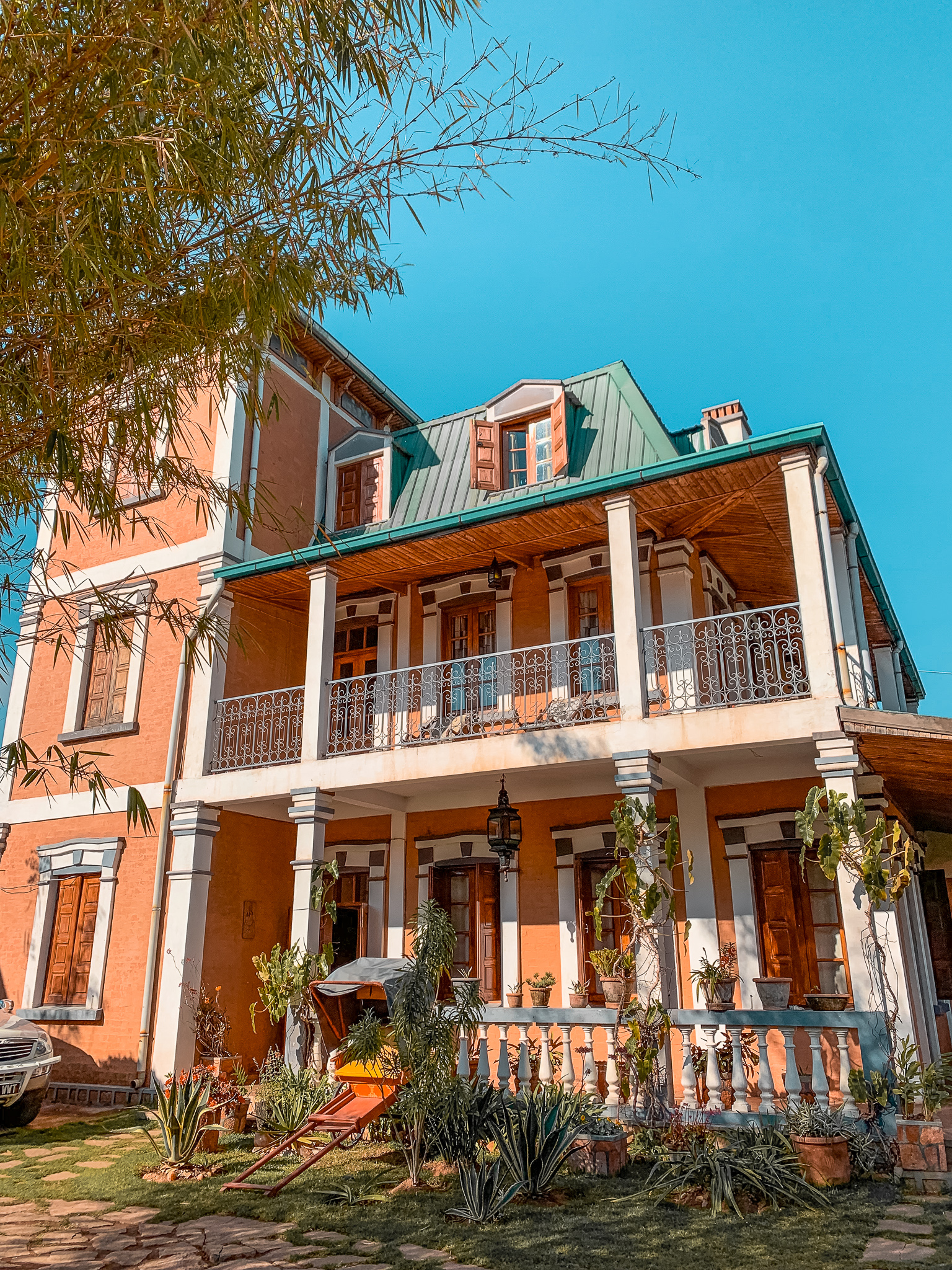
We arrived in Antananarivo, Madagascar (the capital city) on Sunday, September 29th around midnight. We spent the next two nights at Meva Guest House, while running errands in the city (meetings with USAID at the US Embassy, purchasing of local sim cards and phone credits, visiting and touring local laboratories, etc.) We had showers and beer (Three Horses Beer, try it), and enjoyed our final nights sleeping in beds before heading to camp.
Sambava
After two quick nights and busy days in Antananarivo, we departed for Sambava (there were 4 of us, two Principle Investigators on the project, myself and a PhD student) with 9 pieces of luggage, 7 of which actually made it to Sambava (mine didn’t make it, if you were wondering).
We had a few hours in Sambava to visit our collaborators at the Duke Lemur Center, pick up a few more supplies, and start our 1.5 hour drive to Mandena, the village we would be based out of for the next two months. The drive flew by, and in what felt like mere minutes we were out of the busier town center and deep in the mountainous part of the SAVA region.
Mandena
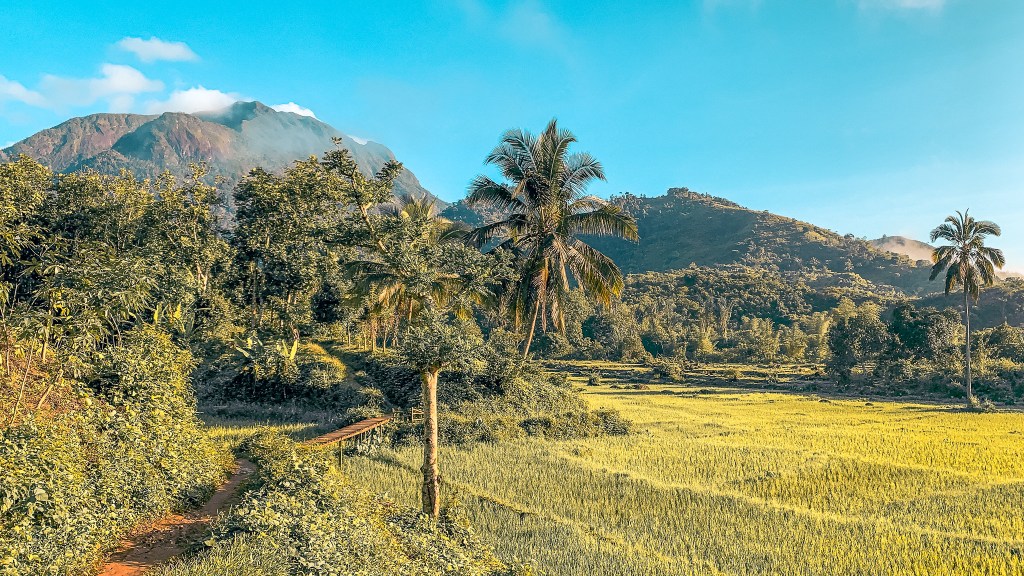
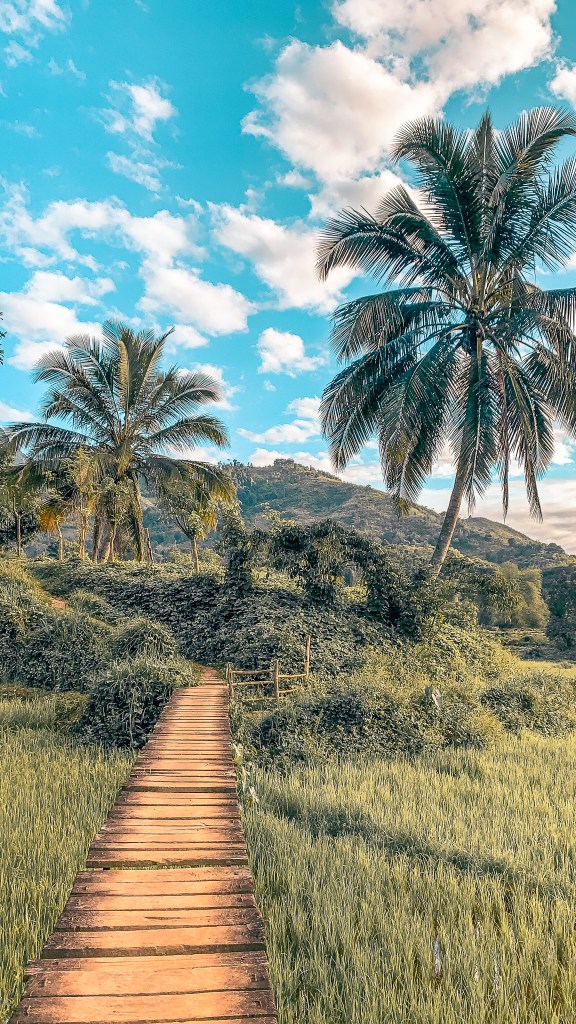
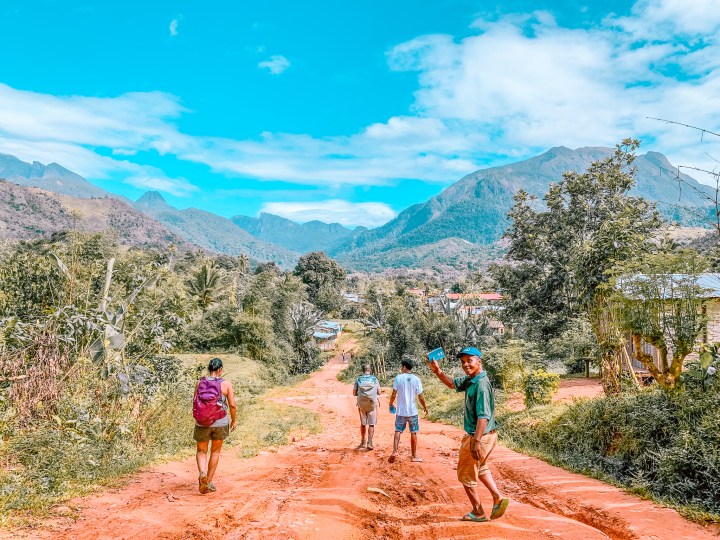
We arrived in Mandena around 5pm, just before sunset, which meant we were doing the hike to camp in the dark with our headlamps. Of course, we would do this same hike every single day after that, and sometimes twice daily. The image above is at the start of the hike from the village up to our camp, it is stunning. Mandena is an agricultural village, mainly growing rice and vanilla (I think I said this before, but in case I didn’t – 80% of the worlds vanilla is grown right here in the SAVA region, making this a very profitable business). Therefore this village is doing quite well, comparatively.
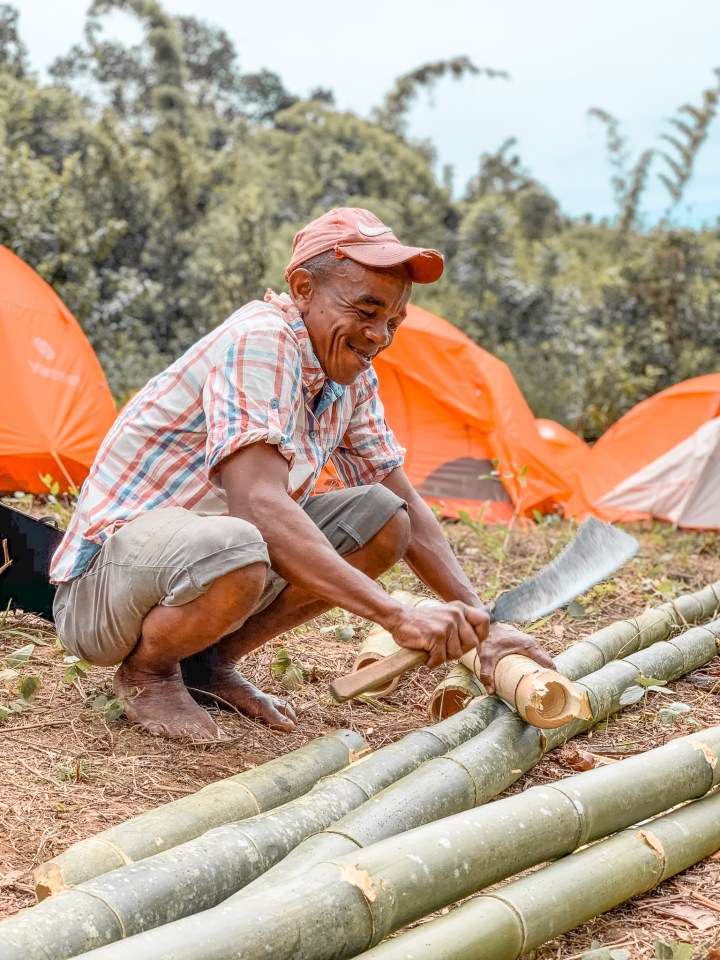
We were extremely grateful to our colleagues who had arrived a week before us and set up camp, it was quite the spectacle. You see, our camp is located right off the main trail into Marojejy National Park – it is equip with over a dozen personal tents, a kitchen, a dining area, and a full lab for the small mammal team. You can see our ‘tent city’ from the main trail, which is quite an attention grabber for the ever-so adventurous tourists that actually make it to Marojejy National Park (only about 500-600 per year, in fact).
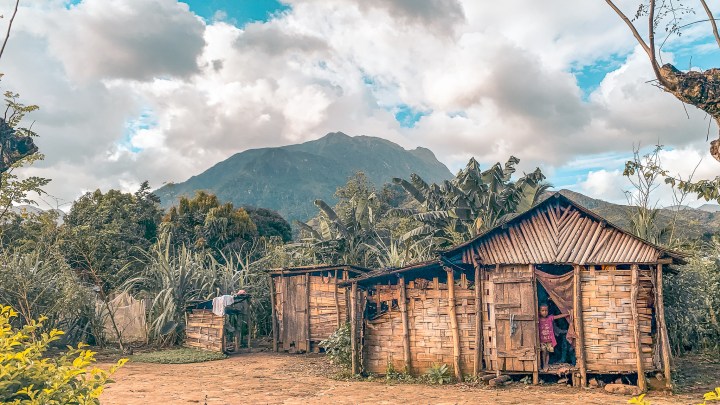
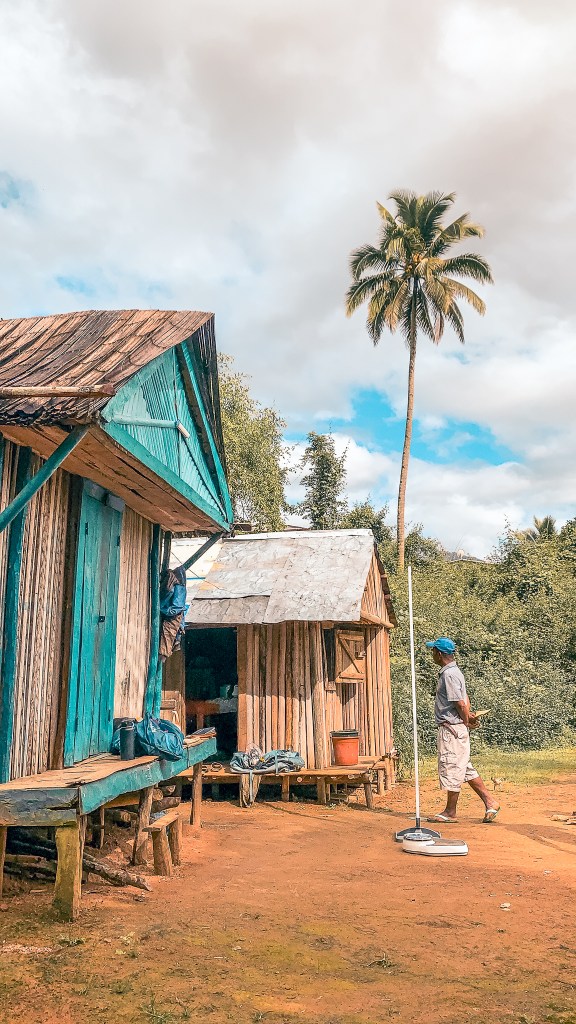
Over the course of the next 3 or so weeks, my team and I would hike into the village daily (sometimes 2x daily) to walk household to household conducting health assessments and surveys. The hike is just under 4 miles round trip, and I’ve hiked it enough to now run this trail quite often, even with my 25lb pack.
We have done over 100 health assessments and social network surveys, have given GPS devices to over 60 people and animals, and have processed countless small mammal and human samples. Our work is well underway, with a very busy second half of the field season ahead!
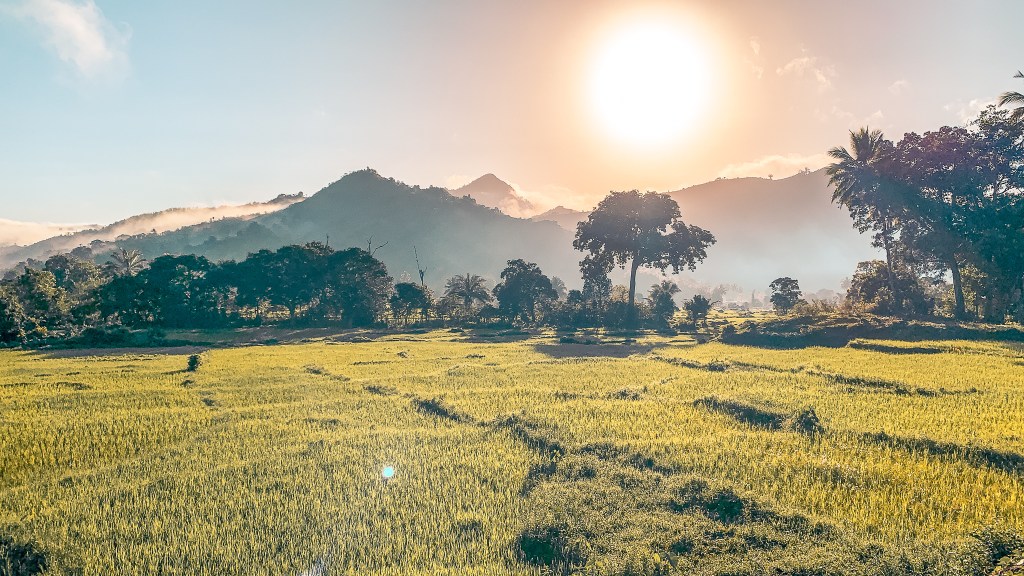
The Lifestyle
We are camping – if you have camped before you have a general idea of what comes with living out of a tent in a remote location. We use a pit latrine hand dug and built of bamboo by our Malagasy team members, we bathe in the stream that runs by our camp, and we run off whatever battery our solar panels can generate. We eat what our cooks can provide, and we keep busy with books, card games, music and stories. We are all trying to learn Malagasy, which has been a fun way to pass the time as well!
Oh, we even have a pull-up bar made out of bamboo, and while in Sambava we purchased a soccer ball and rice mats (for doing yoga) to keep moral high at camp.
What We Eat
Our diet consists mainly of rice and beans – in large portions at that. We consistently have large bowls of rice provided, with a rotation of bean varieties, lentils, and vegetables (mainly potatoes and carrots). The food has been pleasantly delicious, and impressive. You know we have about 20 people living at camp – which means our cooks have to shop and cook for that many people, 3x a day, every day. They wake up at 3am to begin breakfast, and spend nearly all day preparing the next meal.
Fruits grow in abundance around us, but most not quite ripe yet. Pineapple, mango, avocado, and more will be available sometime in November – but we have ample jackfruit and bananas for the time being!
A Well Deserved Break
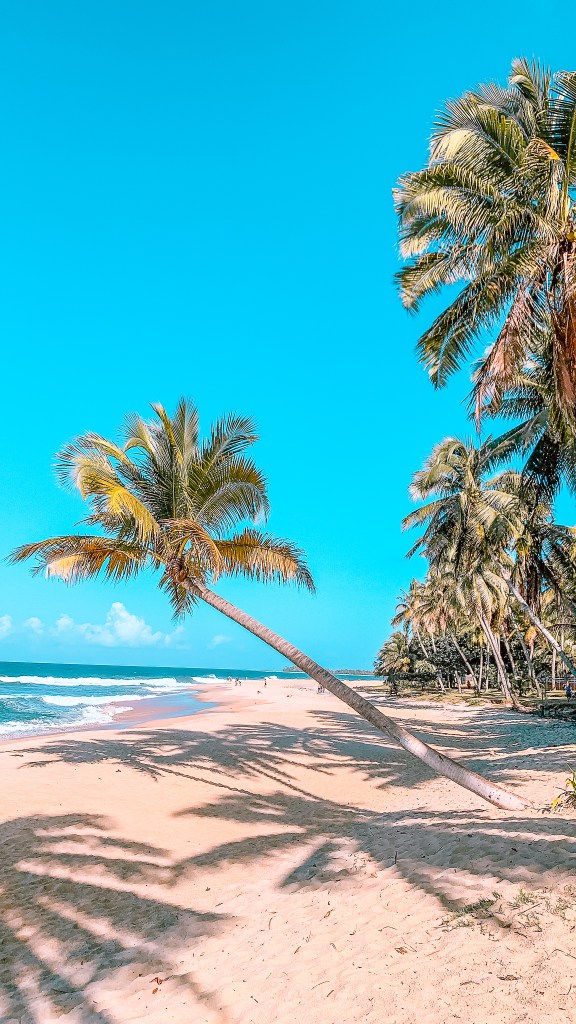
After over three weeks of continuous work without a day off, the Duke team decided to take a 3 day trip to Sambava. Sambava, as I mentioned above, is about 1.5 hours drive from Mandena, and is a coastal town. There are hotels and beaches and restaurants.
We have walked the beach, made cocktails in our hotel room, ate pizza, watched Netflix, and had some much-needed team bonding time! I even have the time, battery power, and internet access to write this post! We will get some supplies for camp while here, and head back refreshed for the rest of the field season!
What’s Next?
I will continue to work with my Malagasy team members, hiking into Mandena village daily to conduct our surveys and health assessments. We will work the next 3 weeks collecting our data, and I will depart Mandena on November 15th to begin my trip back home to America, with similar stops in Sambava and Antananarivo! This is far from the last time I will be here in Madagascar, and in the SAVA Region, but what a month it has been getting to know the people, the culture, and the work we are all so very dedicated to.

 A Blonde Escapes
4 thoughts on “My First Month in Madagascar – In Summary”