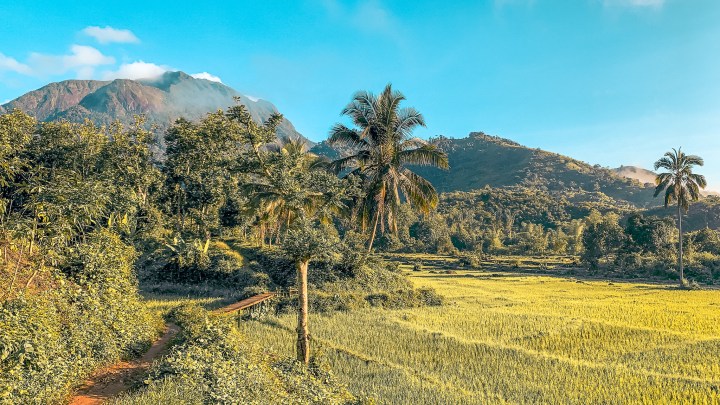
Lemurs, lemurs, lemurs! I know that is what you want to know about – so I am here to tell you about my experience hiking through and summiting Marojejy National Park! Sorry, but you’re going to hear about leeches too, because with lemurs (at least in this case) you’re also getting leeches!
As you may or may not know, I just returned from 2 months living at the base of Marojejy National Park.We created a makeshift campsite about .5 km away from the park entrance, where we lived as an American/Malagasy (Duke University / Vahatra) research team. Our research team decided to hike through the park early on, but after 6 weeks finally had a break in our work schedule to make it happen! We had the benefit of bringing our own cook and food with us, as well as knowing most of the local guides and porters, but I am happy to send referrals / recommendations your way on how to book those items if you are in need!
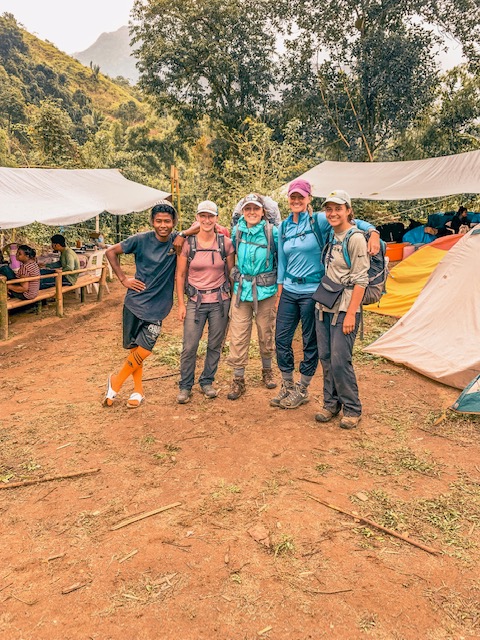
The group, leaving our camp! 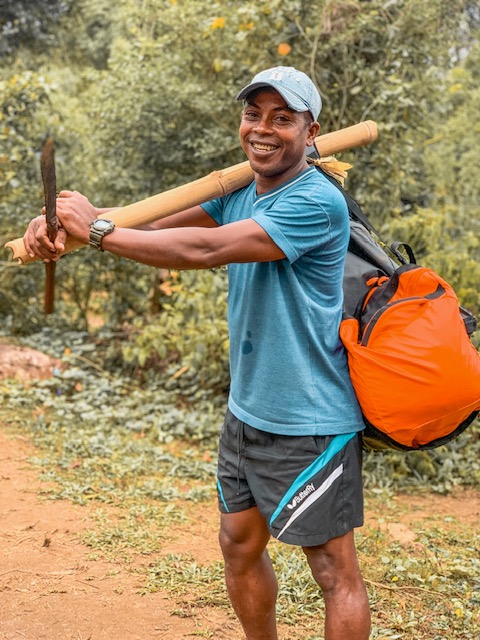
Our cook
Marojejy National Park
Marojejy National Park is located in the SAVA Region of Madagascar (North East), and is next to the village of Mandena. The village of Mandena has a population of approximately 2,500 people. Only about 500-600 visitors/tourists make it to Marojejy National Park each year! Also – at the time we made it to the summit, we were only the 21st group to have hiked to the summit in 2019. Our guide who frequently guides in the park, hadn’t been to the summit yet the entire year!
The reserve is home to a vast array of wildlife species, including 11 species of lemurs, 118 species of bird, and 148 species of reptile and amphibian. Living just outside of the park’s boundaries, we were able to see some of the species that exist within the park (mouse lemurs are nocturnal, so we could see those at night near our camp); but the climate changes substantially once you begin your hike into the park, therefore so many species exist only within park boundaries.
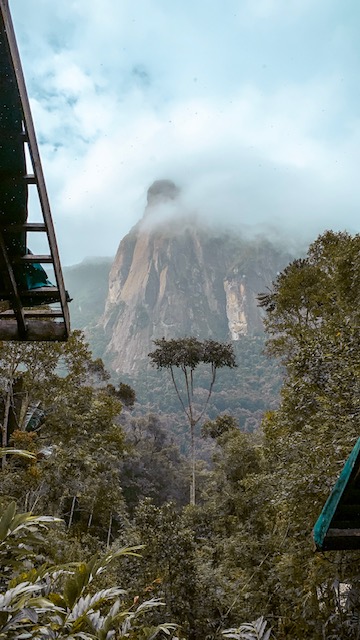
This is truly a jungle – so it is very dense, wet, and the hikes themselves are not for the faint of heart. (‘Maro’ means ‘many’ and ‘jejy’ means ‘rain’ … so the park itself is saying ‘many rain’) If you are interested merely in meandering around the park, hopping between camps and seeing the wildlife, that is completely possible – feel free to take it slow! We were on a mission to see wildlife and also make it to the summit in a short window, so we hauled pretty quickly up the mountain!
Structure of the Park
There are three functioning camps
- Camp 1 (Camp Mantella) – 425m
- Camp 2 (Camp Marojeva) – 775m – where we stayed both nights (the most ‘put together’ of all camps lodging-wise, but kitchen is in rough condition)
- Camp 3 (Camp Simpona) – 1225m
The summit itself sits at 2132m – but just to give you a heads up the climb from camp 3 to the summit includes nearly 1000m of elevation gain in 2.3km (that’s about 3,300ft in 1.5 miles) – AKA this is NOT an easy climb.
Check out this site for more information, including links to very helpful distance and elevation maps!

Camp 2 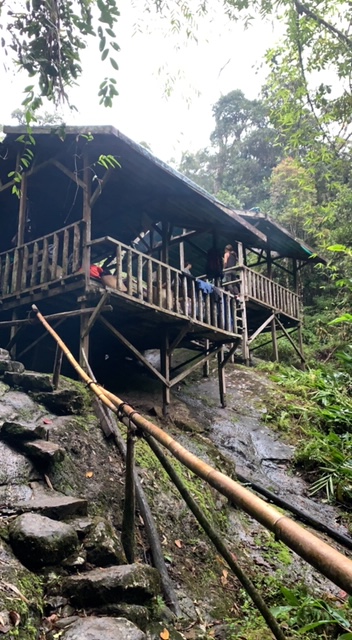
Camp 2 Kitchen
Time in the Park
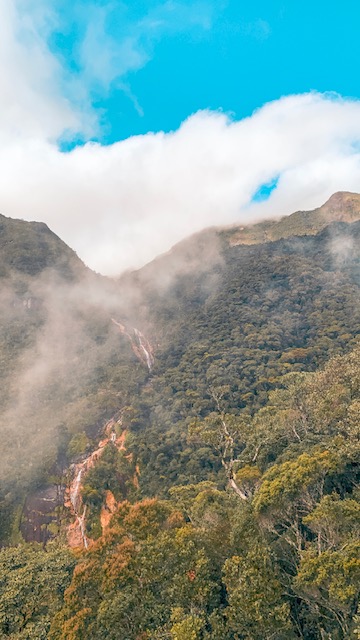
We gave ourselves three days to get to the summit and back, which was intentionally designed so that we could slowly make our way down the mountain, and have a bit of time in the afternoons, to hike around and look for wildlife.
Most people we came across were visiting for somewhere between 2 and 5 days, because they were traveling to other parks across Madagascar and just didn’t have much time. There were, however, several world-renowned film-makers, authors, and conservationists that visited the park and stayed for much longer periods of time. Lucky us – we got to meet all of these individuals, since you have to pass our camp to get to the entrance of the park!
Three Day Hiking Breakdown
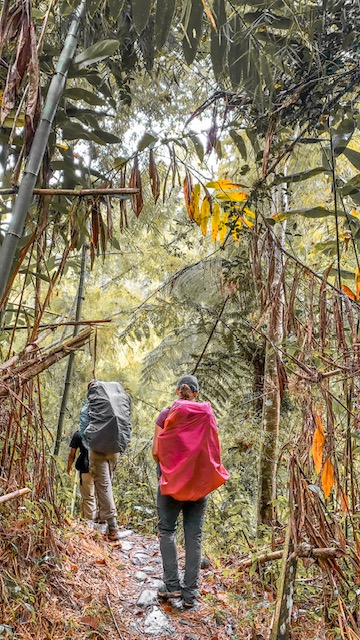
Day 1: Hiked from our campsite just outside of the park entrance, to camp 2, and it took about 5 hours. We stopped at camp 1 for a breather, visited the natural pools, and hiked to Cascade de Humbert (waterfall) on our way up to camp 2. The hike from our camp to camp 2 was approximately 5.5 km, with an additional 1.6 km hike to and from the waterfall (about 7.1km total for the day, with approximately 775m elevation gain). It was an easy hike to camp 2 – other than the last km where it is a bit steeper.
We spent the afternoon relaxing at our campsite – drinking hot tea, and searching for wildlife! We went to bed early to prepare for an early morning departure to the summit!
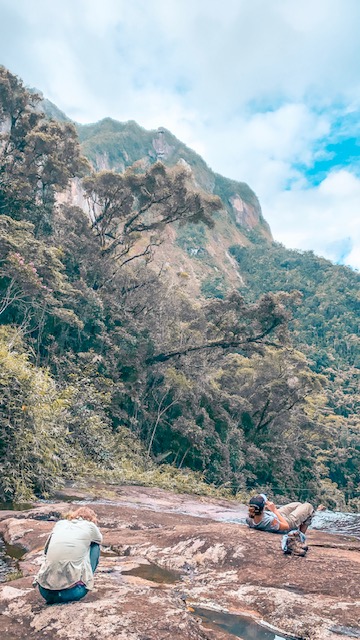
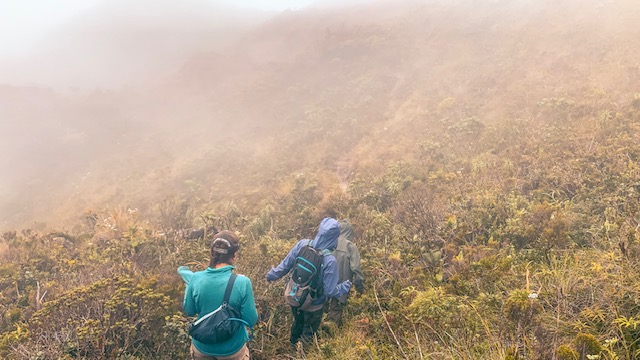
Day 2: We woke up at 4am and began our hike from camp 2 to the summit – 4.4 km with 1357m total of elevation gain was to be conquered that day. The hike from camp 2 to camp 3 is challenging (the first km specifically, is exhausting, the 2nd km isn’t so bad). The hike from camp 3 to the summit is not only almost entirely vertical, but it is rather treacherous. The trail is hardly groomed, and very few people summit each year, therefore you are literally climbing up the mountain like it is a jungle gym, and same on the way down.
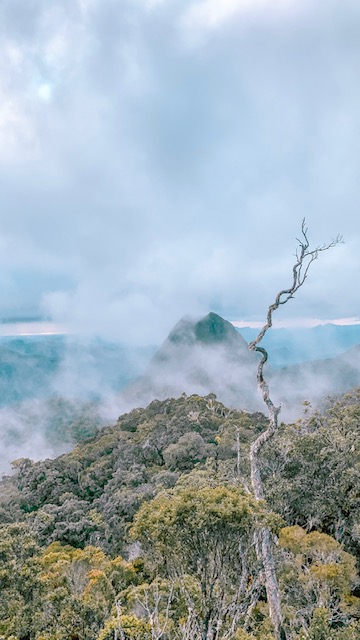
We made it from camp 2 to the summit in 4 hours (which is apparently unheard of, word spread about this through the park and the village for weeks to come). We spent an hour at the summit, which was completely cloud covered, and then took another 4 hours to get down. In total it was 9 hours to get to the summit and back to camp 2, where we drank lots of hot tea and ate a massive rice and beans dinner our cook had prepared!
We had hired a special silky sifaka guide to search for that specific species of lemur while we were summiting the mountain, and sure enough, he found them! We followed him about .5km down the mountain to find the silkies way up in a tree – so high we could barely see them. We all agreed we would look again first thing in the morning.
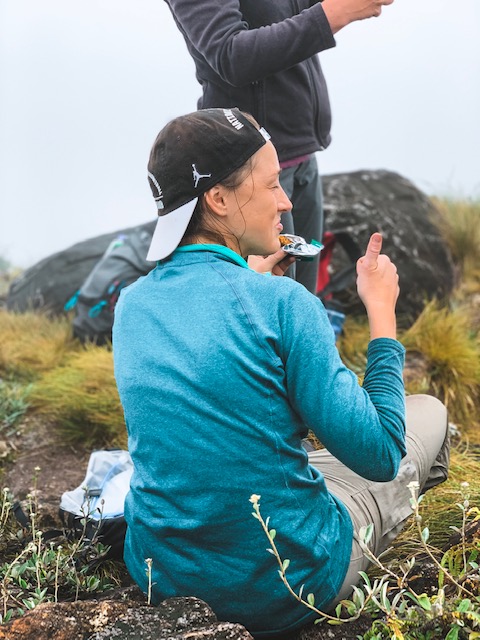
Georgia at the summit eating her chocolate! 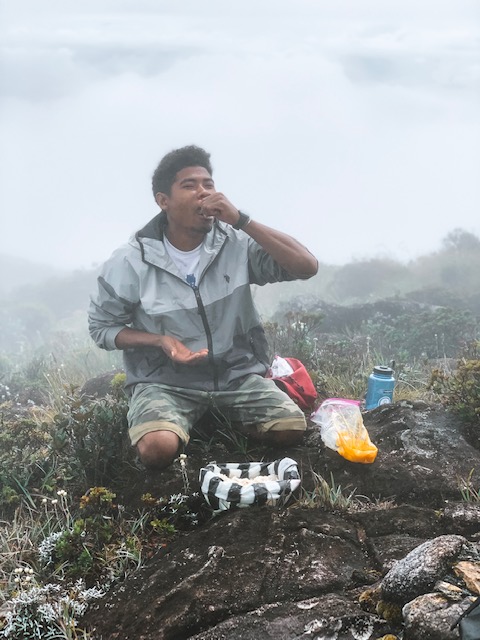
Jean Yves at the summit eating his rice and potatoes!
Day 3: We woke up and before breakfast, at around 5am, we set out with our guide to find the silkies – he found them, and we all stood watching, videoing and staring in amazement as this entire family of silky sifaka sprung from tree to tree above us.
We then packed up our belongings and hiked from camp 2 back to our campsite outside of the park – this was a big lemur searching day for us! On our way back to camp we saw white-fronted brown lemurs, and bamboo lemurs! We gradually walked down the mountain, stopped to see the birds, reptiles and lemurs we spotted along the way – it took us all of 4 hours to get back to our camp, and just like that – the adventure we had been craving for weeks on end was over.
What You Will Need
Price breakdowns can be found here — but some helpful tips on what we paid, and what you can expect:
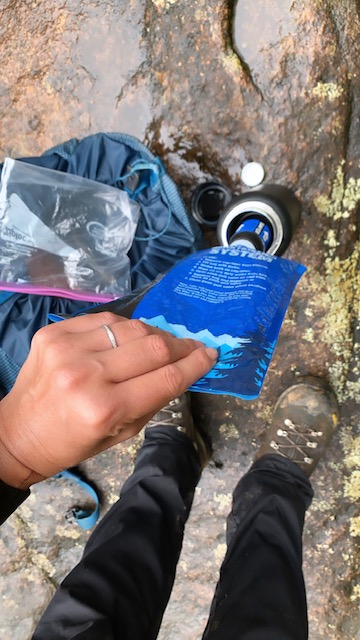
Filtering our water 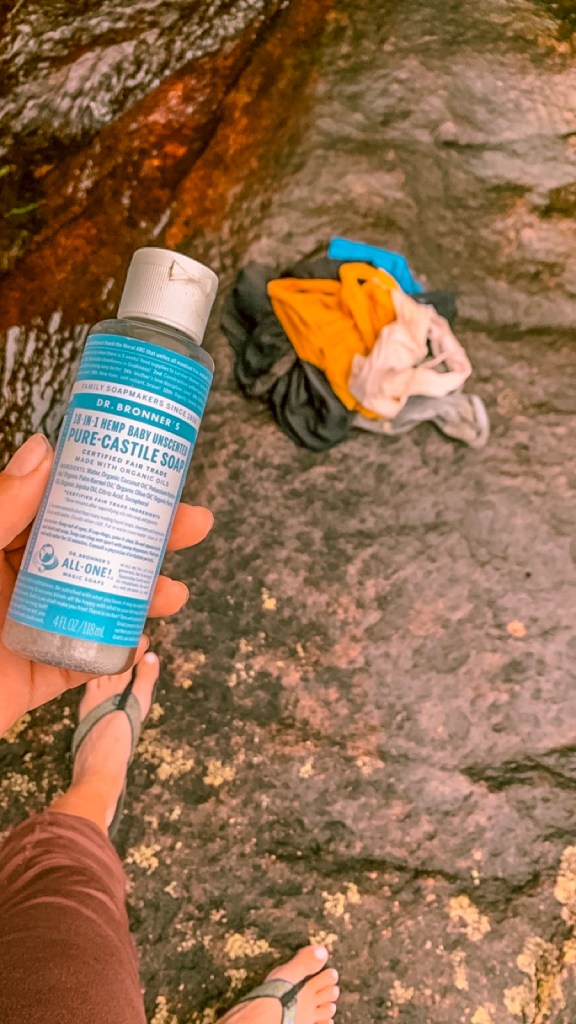
Cleaning my clothes, they might still be wet the next day, but they are at least clean!
- Park entrance fee: 45,000 Ar for each day in the park, per person
- lodging: 15,000 Ar per night, per person (we carried tents up, but ended up staying in the cabin lodging at camp 2).
- Use of kitchen: 10,000 Ar / day per group
- Guide: 70,000 Ar / day per group — note on this, if you are taking the guide to the summit, you have to pay for 4 whole days for the guide, even if it takes you less days to get to the summit and back
- Silky Sifaka Guide: 55,000 Ar / day per group
- Cook: 25,000 Ar / day per group
- Porter fees: vary – depends where the porters are carrying your belongings to (example: Manantenina to camp 1 = 10,000 Ar per 15kg, and camp 1 to camp 2 is 8,000 Ar per 15kg.
Like I said – we had our own porters, cook, food, and guide, who we knew personally and paid to take us through the park. To book all of these items, you will speak directly with the park office, located in Manantenina on the main paved road before entering the dirt road.
You will want to pack the following:
- Water filter – I highly recommend this Sawyer filter!
- Rain clothing
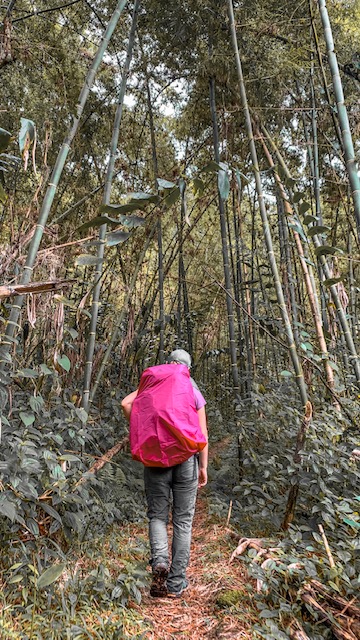
- Rain cover for pack/backpack – I used one from Patagonia but this one from Osprey would work perfectly!
- Complete coverage clothing – tall thick socks, long sleeves, jackets, hiking pants, etc. the leeches in the park are relentless, especially in the rain.
- Hat – again, to protect against leeches, but also for the sun if you’re lucky!
- Good hiking boots – I used my Asolo Stynger Hiking Boots!
- Snacks – our team literally put rice with sweetened condensed milk in ziplock bags to eat at the summit because most of us forgot granola bars to eat, bring some snacks! I brought lots and lots of these RX bars with me!
- Changes of clothes – we were unable to wash and dry our clothing due to the rain. We were completely soaked and muddy returning from the summit, and most of us had to wear the same clothes the next day, still soaking wet, down the mountain to camp.
- Bug spray / sunscreen (of course, it’s the jungle) – my favorite bug spray is this Alba Botanic Deet-Free Eucalyptus Spray, and my favorite sunscreen is Sun Bum, just trust me, it smells like pure coconuts!
Leeches!
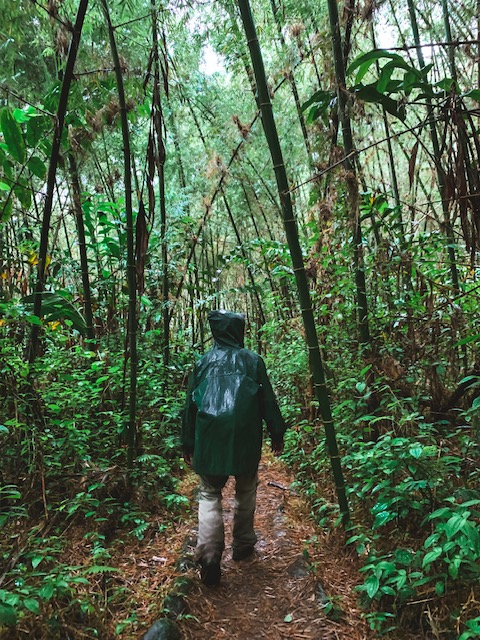
I promised a little bit of information on the leeches – this might be a complete non-issue for many of you, but if you are like me, and are horrified of the idea of a little worm-like being digging into your skin, and sucking your blood until they are plump enough to fall off — then here is some information for you.
I was pretty unexcited about the prospect of pulling leeches off of myself and my teammates, and lucky us, we had lots of rain … which meant, lots of leeches.
We each had at least half a dozen leeches on us that had to be removed, but our protective clothing, and constant inspecting of one another helped us to identify them (usually) before they latched on.
Honestly, the leeches were not nearly as bad as I was expecting, but they were disturbing. You see, they fall from the trees, and also come up on your legs / ankles from the streams – so they can be anywhere, and wiggle themselves into some strange locations. One positive – they may be gross, but they are harmless! Keep a keen eye out for yourself and others, and grab those suckers with your bare hands and give them a good toss if you find one!
We had one teammate, specifically, who was adored by the leeches. Needless to say her clothes were a bit bloodied by the end of our trip. I, however, obsessed the proper amount to be able to find them, and remove them, before the latched.
If you’re wondering what I packed for this two month adventure camping in Madagascar, I created a comprehensive packing list, and also summarized my first month in Madagascar!

 A Blonde Escapes
One thought on “Lemurs, Leeches and Summiting Marojejy National Park, Madagascar”